ETHICS AND AESTHETICS HAVE BEEN AT ODDS FOR QUITE A WHILE. But the ancient Greeks stressed the importance of harmony and balance in every human expression, not to be seen again until Contemporary art reintroduced the crucial marriage of aesthetics and society’s well-being.
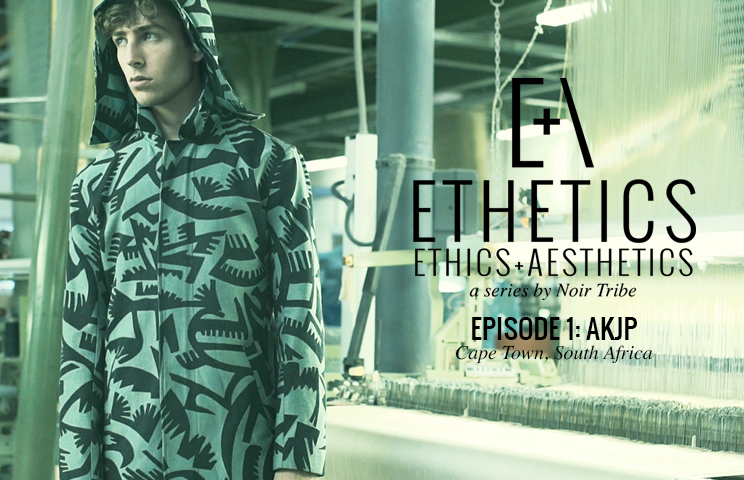
Noir Tribe believes Ethetics (admittedly a word we made up), describes the growing movement of ethical fashion and social responsibility. Conscious consumers understand the environmental, societal, and health impacts for which fast fashion is responsible, and yearn to support brands that are using environmental materials, ensuring the health and safety of their workers, as well as positively contributing to local and global communities.
We support socially and environmentally conscious brands that insist on safe working conditions, such as factories that are structurally stable and farmers that work in pesticide-free fields. We want to see the elimination of toxic cast-offs that pollute landfills or are sent to third world countries to be sold back to the people who originally made them. We want to clean up dye-polluted water sources, which result in a disproportionate number of severely disabled children in proximate villages. As environmental journalist Lucy Siegle puts it: “Fast Fashion isn’t free. Someone somewhere is paying for it.”
Anyone that has investigated these atrocities desires a return to ethical design, sourcing, and manufacturing where products are made fairly and workers are paid a living wage to support themselves and their families, instead of sending their children away to live with remote relatives or keeping them close by on a factory floor. Every human deserves a safe working environment free from dangerous chemicals, the threat of collapse, or slave labor – which unfortunately can be the side effects of supporting brands whose mission is only the bottom line, rather than ethical capitalism that requires and deserves a profit, while also caring for the workers that make the business successful.
Ultimately the harmony of ethics + aesthetics exist in products causing the least damage to the planet possible while still giving the consumer an aesthetic satisfaction. Because ultimately, the critical part of this equation is Aesthetic. Without style, clothes can’t be considered fashion-contenders.